Home › Concrete Demolition and Removal
Clear out old or failing concrete with professional concrete removal in Denver, CO. We break, saw cut, and haul away driveways, patios, slabs, and sidewalks safely and efficiently. Our crew protects surrounding structures and landscaping while preparing a clean base for new concrete. Choose a team equipped for full concrete demolition and replacement on your property.
Superior Concrete Denver provides professional concrete removal throughout Denver, CO, Colorado and the surrounding area. Our licensed, insured crew delivers safe, clean, on-time work with a free estimate before anything begins. Call (970) 648-8412 or request your free quote.
Concrete removal in Denver with a builder’s mindset
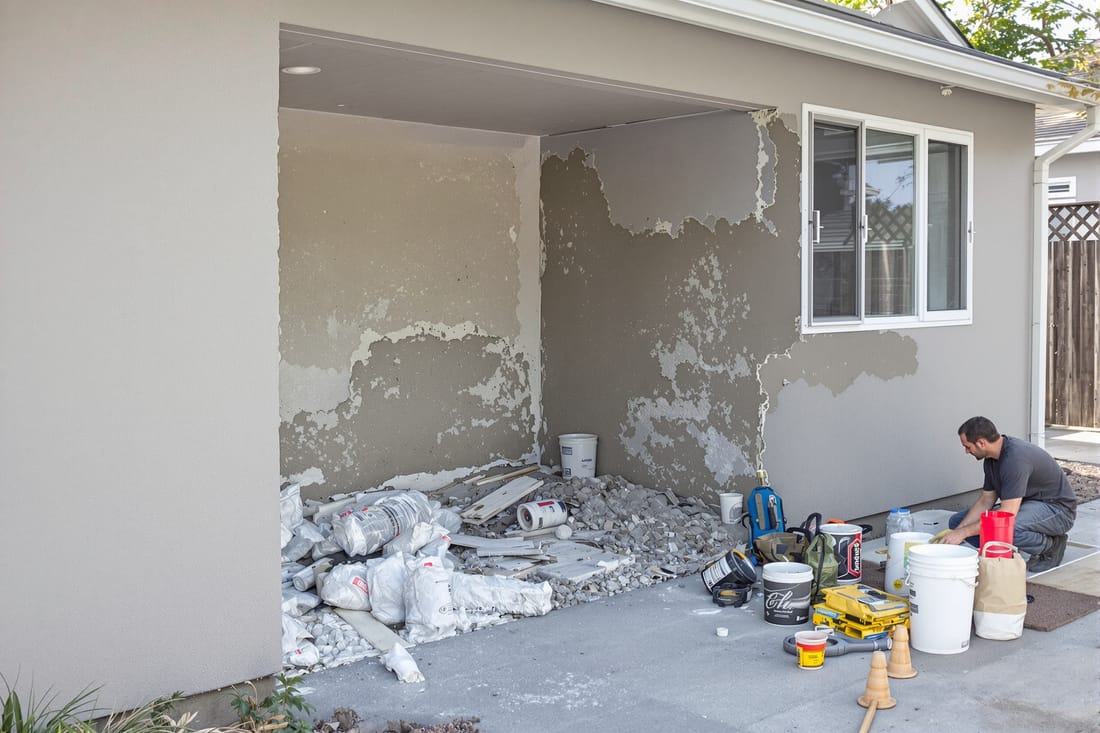
Concrete demolition and removal is not just breaking and hauling. Done right, it sets you up for the next phase of your project so you do not inherit drainage problems, settling, or failed inspections. At Superior Concrete Denver, we approach concrete removal the same way we approach new construction: with planning, engineering awareness, and respect for your property and neighbors.
Every job starts with a site visit in the Denver metro area. We measure slab thickness, check for cracks and previous patching, look for signs of heaving from freeze-thaw cycles, and locate utilities. Older Denver neighborhoods like Baker, Park Hill, and Highlands often have shallow utility lines or undocumented DIY work, so we verify with 811 locates and non-invasive exploration when needed. This planning phase determines the tools, crew size, access points, and disposal approach for your project.
By treating removal as part of the overall life cycle of your concrete, we help you avoid paying twice. We can coordinate with your future installer, or with our own replacement crews, to make sure elevations, base material, and drainage are ready for whatever comes next: driveway, patio, garage slab, or full rebuild.
How we actually remove concrete: step by step
For most residential and light commercial projects in Denver, we use a combination of saw cutting, mechanical breaking, and staged hauling.
1) Saw cutting: We start by cutting clean control lines with a concrete saw to separate the section being removed from any concrete that will remain. This reduces vibration and prevents random cracking in areas you are keeping, such as attached steps, foundation walls, or neighboring slabs.
2) Breaking: Depending on thickness, we use skid steers with breakers, mini excavators with hydraulic hammers, or handheld jackhammers. Typical Denver driveways run 4 to 5 inches thick. Garage slabs and commercial pads can be 6 inches or more and may be reinforced with rebar or wire mesh. We size equipment to your access and to nearby structures. In tight Denver city lots we often use compact machines and more saw cutting to keep vibration low.
3) Separation of steel: When we encounter rebar or mesh, we cut and remove it separately. This matters for both safety and disposal. Clean, separated metal often goes to recycling, which helps control costs and reduces the amount of debris going to landfill.
4) Loading and hauling: We load broken concrete into dump trucks or roll-off containers using skid steers or mini excavators. Where access is constrained, such as in Capitol Hill alleys or small backyards, we may shuttle debris out with smaller machines or wheelbarrows and stage it for loading at the street.
5) Final grading and preparation: Unless you request a demo-only service, we rough grade the exposed area, remove loose debris, and address basic drainage issues so you are not left with a hazardous or muddy pit. For clients planning immediate replacement, we can also bring in and compact base material to get you closer to new-concrete ready.
Handling local challenges: frost, heaving, and buried surprises
Denver’s freeze-thaw pattern is tough on concrete. Many removal projects we see at Superior Concrete Denver are triggered by slabs that have heaved or settled, especially driveways, city sidewalks, and older patios. We look closely at what caused the failure so you do not repeat the same problem with your replacement.
If we find poor subgrade (soft, organic soil or construction debris), we recommend over-excavating during removal, then bringing in a better base. If tree roots have jacked up your slab, we can coordinate with your arborist or remove roots that are likely to keep causing issues. In neighborhoods near the foothills or on sloped lots, you may also be dealing with surface water or snowmelt running across your slab. We account for that in how we leave the grade after demolition.
Buried surprises are common in older Denver properties: shallow irrigation lines, abandoned footings, unmarked conduits, or old brick and rubble used as fill. We start with utility locates, but when something unexpected appears, we stop, expose carefully, and discuss options with you. Sometimes this means adjusting the removal boundary, undercutting more, or bringing in different equipment. Our goal is to keep you safe, protect active utilities, and avoid creating long-term settlement problems.
Cost factors for concrete removal in Denver
Concrete removal pricing is driven by several specific factors, and we explain each line item before we start.
1) Thickness and reinforcement: A 4 inch broom-finished driveway without rebar costs less to remove than a 6 inch, double-reinforced commercial pad. Extra thickness and heavy steel require more breaking time, more cutting, and slower handling around structures.
2) Access and hauling distance: Easy front-driveway access in Aurora or Lakewood is simpler than a narrow backyard in central Denver reachable only through a side gate. Limited access can mean smaller machines, more labor, and staging debris before loading, all of which affect cost.
3) Disposal and recycling options: Clean, uncontaminated concrete can often be taken to recycling facilities in the Denver area, which helps control disposal fees. Concrete with significant soil, tile, or other debris mixed in may need different handling. For large volume jobs, we may use roll-off containers, which affects pricing structure.
4) Site conditions and hazards: Work near foundations, retaining walls, or city sidewalks that must remain intact requires more saw cutting and lower-impact equipment. If we must protect stamped concrete, landscaping, or structures adjacent to the work, we factor in protective mats, plywood paths, and extra labor.
5) Scope beyond demo: If you want us to leave the site ready for new concrete, including base prep and basic grading, that is a different scope than pure removal. We can price these options separately so you can choose what fits your budget and schedule.
What happens to the broken concrete after removal
Many clients ask if their old concrete just goes to a landfill. In and around Denver, a substantial portion can be recycled when handled correctly. Superior Concrete Denver separates clean concrete and metal whenever practical.
Clean concrete is often delivered to local recyclers where it is crushed and reused as road base or structural fill. For some projects, we can even bring recycled concrete aggregate back to your site as base material under your new slab, provided it meets the engineering needs of the project. This closes the loop and can be both cost-effective and environmentally responsible.
Contaminated concrete, such as slabs with glued flooring, heavy paint, or embedded non-concrete material, typically has fewer recycling options. In those cases, we follow local disposal regulations and discuss any cost differences with you up front. If you have special requirements, such as LEED documentation or diversion tracking for a commercial project in Denver, we can provide loads and disposal receipts so you can document material handling for your records.
Best timing and scheduling for concrete demolition in Denver
Concrete removal can be performed year-round in Denver, but some seasons are more efficient and less disruptive. Spring through fall usually offers better productivity and cleaner conditions, but winter work is absolutely possible with the right planning.
In winter, frozen ground can actually help when we need to protect turf, because machines are less likely to rut the soil. However, snow and ice can slow access and create safety concerns, so we often add de-icing, shoveling, or weather delays into the plan. If your replacement pour is time-sensitive, it is wise to schedule removal early enough to avoid being trapped by a cold snap.
In spring and early summer, crews can work faster, and you get more predictable follow-up for new concrete placement. This is often the best time for homeowners replacing driveways, patios, and walkways before peak storm season. For commercial clients, off-hours or weekend demolition can be arranged to limit impact on tenants and customers.
When you contact Superior Concrete Denver, we ask about your target dates for replacement, local HOA rules, and city permitting requirements if sidewalks or curb cuts are involved. Then we coordinate demo and haul-off so you are not left waiting with an open excavation longer than necessary.
What to check before hiring a concrete removal contractor
Concrete removal is noisy, potentially hazardous work, and it involves heavy equipment close to your home or business. Before you hire anyone, especially in the Denver area, confirm a few key points.
Ask about licensing and insurance first. A legitimate contractor should carry liability and workers’ compensation coverage suitable for demolition work. Request a written scope that specifies what is being removed (slab, footings, steps, haunches), how deep they will go, what is included in haul-off, and how they will restore or grade the site.
Clarify utility handling. Your contractor should call in 811 locates and have a plan if private lines (such as irrigation, landscape lighting, or gas for grills) are present. For Denver and nearby cities, confirm they understand local rules for sidewalks, alleys, and right-of-way work if your project touches city property.
Finally, ask how they will protect what you are keeping. This includes nearby slabs that stay, foundations, garages, fences, landscaping, and neighboring property. At Superior Concrete Denver, we use saw cuts, protective mats, and controlled equipment operation to limit collateral damage, and we walk the site with you before and after to confirm what is staying, what is going, and how the area will look when we are done.